Extended Producer Responsibility (EPR) is reshaping the packaging landscape. As regulations expand across the United States, businesses must understand evolving requirements, reporting obligations and the potential impact on packaging costs.
Whether you're just beginning to prepare for compliance or looking to optimize your approach, Pregis can help you understand the implications and evaluate packaging strategies that support both sustainability and business performance.
What Is Extended Producer Responsibility (EPR)?
Extended Producer Responsibility (EPR) is a policy approach that assigns producers responsibility for the end-of-life of products. This can include financial responsibility, operational responsibility or both, depending on the program.
For packaging, EPR programs are designed to support the collection, sorting, recycling and consumer education associated with packaging materials. Producers provide funding through EPR programs, helping support the systems necessary to manage packaging after use.
At a high level, EPR connects packaging decisions with recycling outcomes and supports a circular approach to material use.
Who Has to Comply With EPR and Who Pays?
Under EPR programs, financial responsibility falls on entities defined as “producers.” These are typically brand owners or companies that choose the packaging and sell the packaged product into regulated states.
Producers are required to pay fees to help fund the recycling of their packaging materials. Financial responsibility is assigned to these organizations rather than municipalities, with producers contributing funding to support program requirements.
Determine Your EPR Responsibilities
What Are the Goals of EPR for Packaging?
EPR is designed to address two issues: technically and financially hard-to-recycle packaging and a lack of funding for recycling infrastructure.
EPR programs are intended to shift responsibility for packaging waste management from municipalities to producers. These programs help fund recycling infrastructure, consumer education and incentivize the use of recyclable materials.
What Packaging EPR Laws Typically Require
Most packaging EPR programs encourage or require producers to join a collective Producer Responsibility Organization.
The financial structure may vary, but in most EPR programs producers pay fees to the PRO. The PRO then distributes the funds to cover the costs required by program legislation.
These costs generally provide funding for the end-of-life management of covered products, including collection, sortation and processing. Covered products are either defined in legislation or in the producer responsibility plan and are the specific items or materials that must be managed within the program.
All packaging materials, including paper, plastic, metal and glass, are subject to EPR fees. Fees are typically assessed on a per-pound basis and vary by material, reflecting the cost and complexity of recycling each packaging type.
EPR in the United States: Why State-Level Legislation Matters
EPR programs have existed for years in other jurisdictions such as Canada and Europe. In the United States, packaging EPR legislation continues to expand at the state level.
This state-by-state approach creates varying requirements across jurisdictions and contributes to a rapidly evolving regulatory landscape for companies that sell packaged products nationwide.
Requirements vary significantly across states. For a broader look at packaging policy updates, visit What’s Ahead for Packaging Legislation in 2026.
California SB 54 as a Key Example of Packaging EPR
California SB 54 is one of the most visible examples of packaging EPR legislation in the United States.
As a key packaging law, SB 54 has helped bring greater attention to producer responsibility, packaging recyclability, material use and the role of packaging in broader recycling systems.
While each state’s legislation differs, California SB 54 shows how EPR laws can influence the packaging landscape and signal where policy conversations may continue to move.
The Benefits and Challenges of EPR
Organizations and policymakers are increasingly pointing to effective EPR as a necessary component of a comprehensive approach to addressing recycling challenges and concern over single-use product pollution.
Potential benefits include more funding for recycling infrastructure, expanded consumer education and greater support for end-market development for recycled materials.
At the same time, EPR introduces new complexity. Regulatory requirements continue to evolve across North America and globally, and requirements may differ depending on the state, material type and program structure.
How EPR Influences Packaging Design and Material Decisions
One long-term effect of EPR is increased focus on material usage and recyclability.
Because packaging materials are evaluated within EPR programs, businesses are paying closer attention to how packaging fits into collection, sorting and recycling systems. This has accelerated industry conversations around material efficiency, recyclability and circular economy goals.
As the regulatory landscape continues to evolve, staying informed on packaging trends is increasingly important. EPR legislation is reinforcing many of the practices already shaping the industry, including source reduction, rightsizing, material efficiency, and the adoption of packaging solutions that use less material while maintaining performance.
What Businesses Should Do Next to Prepare for EPR
EPR legislation continues to expand and evolve. Understanding the fundamentals is the first step, but many businesses will eventually need a deeper understanding of how EPR may affect their reporting requirements, packaging portfolio and long-term planning.
Many businesses underestimate the data required for EPR reporting. Requirements also vary significantly across states, which can make it difficult to understand how EPR may affect packaging decisions over time.
While understanding EPR is the first step, preparing your business requires a deeper look at fees, reporting, packaging redesign and supply chain adjustments. Read our guide: How Businesses Can Prepare for EPR Packaging Laws.
Packaging EPR: What You Need to Know
Frequently asked questions about EPR compliance, fees, reporting and packaging optimization.
EPR programs have existed for years in other jurisdictions such as Canada and Europe. As of July 2026, Oregon, Colorado, California, Maine, Minnesota, Maryland and Washington have passed EPR bills.
The Circular Action Alliance (CAA) outlines several acceptable methodologies for reporting packaging usage. Companies may track packaging consumption through procurement or operations records, bills of materials or units sold. Reporting typically requires collaboration across the supply chain to properly track packaging weight, quantity and material composition.
If the CAA identifies a company as "delinquent," it contacts the company and the applicable state agency. Some EPR laws require the CAA to publish a public, searchable registry of registered producers and whether they are in good standing.
Yes. For example, Oregon will update its fee schedule “annually at minimum to reflect changes to producer supply tons, system operations and costs” (Oregon Program Plan, 194). Fees in other states will be reviewed at a frequency outlined in legislation. Fees may vary as recycling rates change; more producers register or producer financial obligations change under legislation.
Currently, states and municipalities fund and manage waste services. Recycling rates remain low due to factors such as outdated infrastructure, limited consumer education and hard-to-recycle packaging formats. EPR shifts the financial, and sometimes operational, responsibility for packaging waste management to producers through packaging fees. These fees help fund recycling infrastructure and education programs while encouraging more recyclable packaging formats.
Although definitions vary by state, packaging is generally considered recyclable if it can be routinely collected, sorted, processed and sold into an end market through existing recycling systems at scale. Some packaging may be technically recyclable but not practically recyclable due to infrastructure or economic limitations.
EPR fees are only one part of total cost of ownership. Packaging decisions should consider material costs, labor, throughput, warehousing, freight, product protection and brand performance alongside EPR fees. Get in touch with our team for a holistic evaluation of your packaging strategy.
Packaging Legislation We're Tracking
Regulatory requirements continue to evolve across North America and globally. Key packaging legislation we're tracking as it relates to the Pregis portfolio includes:
For the latest updates on packaging policy and regulatory developments, explore Sustainable Packaging Coalitions (SPC) Policy Roundup.
Turning Compliance Into Opportunity
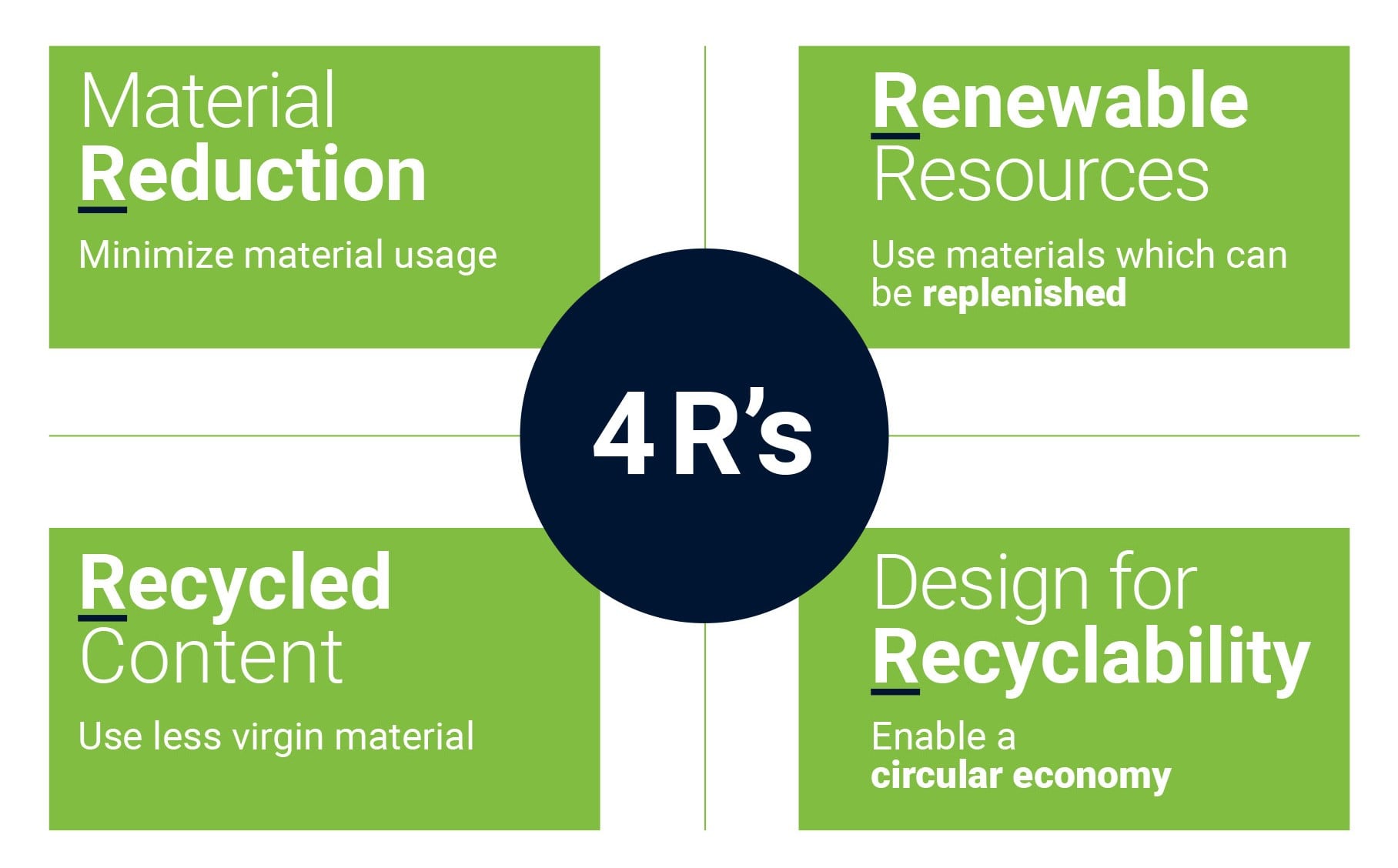
As the packaging regulatory landscape evolves, compliance is just the starting point. Guided by our 4R's material strategy, we help customers navigate changing requirements while balancing performance, sustainability and long-term business value.